A normal menstrual cycle length for adults is usually 21 to 35 days, counted from the first day of one period to the first day of the next, and the bleeding itself generally lasts up to seven days. Your cycle does not have to be exactly 28 days, and a difference of a few days from one month to the next is expected. This guide from the HeliosCheck.com library explains how to count your cycle, which changes are normal and when a change is worth raising with a doctor.
Key Takeaways
- Adult cycles typically last 21 to 35 days, and periods usually last up to 7 days.
- Cycle day 1 is the first day of real bleeding, not the day of light spotting before it.
- Cycles that change length by more than 7 to 9 days, or periods that stop for 3 to 6 months, are worth checking.
- Stress, illness, weight change, birth control and life stage can all shift your cycle length.
The Normal Range at a Glance
The American College of Obstetricians and Gynecologists (ACOG) describes a normal menstrual cycle as typically 21 to 35 days long, with a period that lasts up to 7 days. The Office on Women’s Health uses a slightly different frame: it calls 28 days typical and says periods are still regular if they usually come every 24 to 38 days. The exact numbers differ a little between organizations, but the message is the same: normal is a range, not a single number.
| What you measure | Usual range | Worth checking with a doctor |
|---|---|---|
| Cycle length (adults) | 21–35 days | Cycles that are regularly shorter than 21 days or longer than 35 days |
| Length of bleeding | Up to 7 days | Bleeding that lasts more than 7 days |
| Change from month to month | A few days | Cycle length that varies by more than 7 to 9 days |
| Missed periods | An occasional late period with a clear reason | No period for 3 to 6 months when you are not pregnant |
| Flow | Heavier days and lighter days | Soaking through a pad or tampon every hour |
How to Count Your Cycle
Counting correctly matters more than most people expect, because a one-day error at each end can make a regular cycle look irregular. MedlinePlus explains the basics of menstruation if you want a refresher on what happens in each phase.
Find Cycle Day 1
Day 1 is the first day of real red bleeding that needs a pad, tampon, cup or period underwear. Brown or pink spotting in the day or two before does not count. If your bleeding starts in the evening, many people simply count that day as day 1 and stay consistent.
Count to the Next Day 1
- Write down the date your period starts.
- Do the same when the next period starts.
- Count the days from the first start date up to the day before the second one. That number is your cycle length.
- Note how many days you bled and which days felt heaviest.
Track at Least Three Months
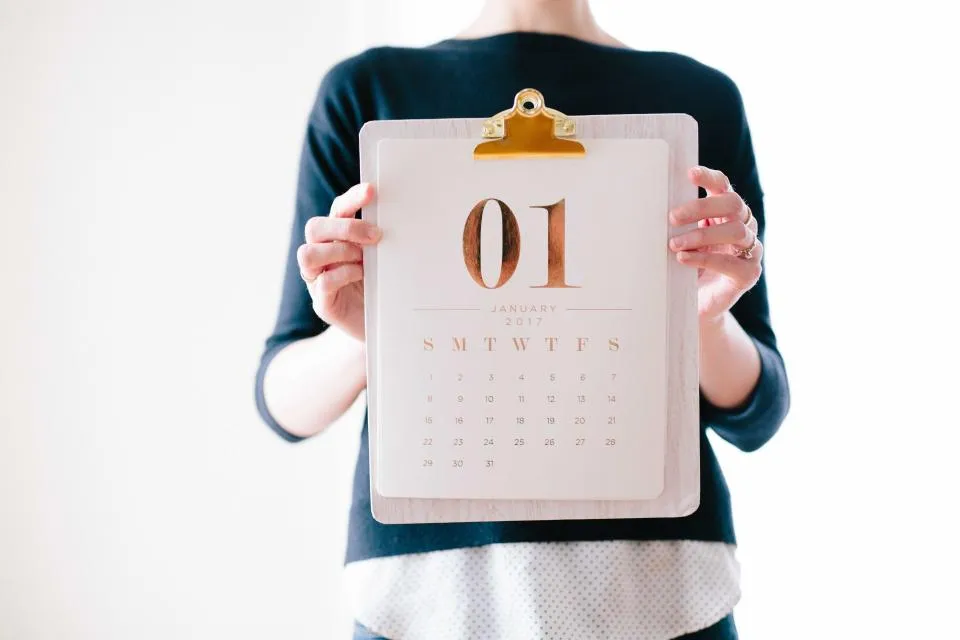
One cycle tells you very little. Three to six months of notes show your personal pattern and make it much easier to spot a real change. A paper calendar works as well as an app; what matters is writing it down every month.
Why Your Cycle Length Can Change
Most of the variation in cycle length happens before ovulation. Once an egg is released, the time until the next period is usually more stable, which is why a delayed ovulation pushes your whole period later. Our guide to the signs of ovulation explains how to tell when that part of the cycle is happening. Common reasons for a shorter or longer cycle include:
- Stress, poor sleep, shift work or long-distance travel
- A big change in weight, diet or exercise level
- Illness, including a bad cold or flu around the time you would normally ovulate
- Starting, stopping or switching hormonal birth control
- Breastfeeding, which can delay the return of periods after pregnancy
- Hormonal conditions such as polycystic ovary syndrome (PCOS) or thyroid disease
- The years leading up to menopause, when cycles often become shorter at first and later longer
A single odd cycle after a stressful month is common and usually settles on its own. A pattern that keeps repeating is what deserves attention.
Cycle Length Across Life Stages
Cycle length is not fixed for life. In the first few years after periods start, cycles are often longer and less predictable because ovulation does not yet happen every month. Through the 20s and 30s, most people settle into a fairly steady pattern of their own.
In the 40s, the approach to menopause can shorten cycles, so two periods may land in the same calendar month; our article on having a period twice a month covers what is normal there and what is not. Later in that transition, gaps between periods usually grow longer. You can browse more topics like this in the HeliosCheck.com Menstrual Health and Hormonal Health sections.
When to Talk to a Doctor About Your Cycle
Book a visit with your primary care provider or OB-GYN if you notice any of the following:
- Cycles that are regularly shorter than 21 days or longer than 35 days
- Cycle length that varies by more than 7 to 9 days from month to month
- No period for 3 to 6 months, and a pregnancy test is negative
- Bleeding that lasts longer than 7 days or soaks a pad or tampon every hour (see our guide to heavy periods and when to worry)
- Bleeding or spotting between periods or after sex
- Any bleeding after menopause
Bring your tracking notes to the appointment. A list of start dates, bleeding days and symptoms helps your doctor see the pattern quickly, and it is the single most useful thing you can prepare. For a wider view of women’s health topics, the HeliosCheck.com homepage lists every guide by subject.
Frequently Asked Questions
Does Spotting Count as the First Day of My Period?
No. Light pink or brown spotting before your flow starts is usually counted as the end of the previous cycle. Cycle day 1 is the first day of real red bleeding that needs period protection. Counting the same way every month keeps your tracking accurate and makes real changes in your cycle length easier to see.
Can Stress Really Change When My Period Comes?
Yes. Stress can delay ovulation, and because the period usually follows ovulation by a fairly steady number of days, a late ovulation means a late period. A single delayed cycle during a hard month is common. If stress-related changes keep happening, or periods stop for several months, talk with your doctor.
Is It Normal for My Cycle to Change After Stopping Birth Control?
It often is. Hormonal birth control controls bleeding, so when you stop it you see your natural cycle again, which may be longer, shorter or less regular than the bleeding you had on the method. Many people settle within a few months. If periods have not returned after three months, check with your doctor.
Should I Use an App to Track My Cycle?
An app can make tracking easier, but a paper calendar works just as well. The key is recording the start date of each period, how many days you bleed and any spotting or pain. Treat app predictions of fertile days as estimates, not guarantees, especially if your cycles are irregular or you are avoiding pregnancy.
Talk to your doctor: This guide is for general information, not medical advice. Always talk to your own doctor or OB-GYN about your symptoms, and call 911 if you think you have an emergency.